Industrial Safety Equipment: Key Tools for Ensuring Workplace Safety in the Modern World
Workplace environments such as factories, workshops, manufacturing facilities, and warehouses may pose multiple potential risks for employees. Workers may face dangers such as hazardous materials, heavy machinery, falling objects, electrical risks, and more. To reduce these risks, businesses must use industrial safety equipment.
What is Industrial Safety Equipment?
Industrial safety equipment refers to protective tools and clothing designed for use in workplaces to protect people from potential hazards. These products are specifically developed to prevent injuries and accidents in industrial environments.
Organizations that prioritize employee safety not only create a secure and comfortable workplace but also improve productivity and ensure compliance with workplace safety standards.
Importance of Industrial Safety Equipment
Implementing proper safety measures in industrial workplaces is essential. Below are the key reasons why industrial safety equipment is important:
1. Worker Protection
The main purpose of industrial safety equipment is to protect workers from injuries caused by falling objects, sharp tools, machinery, and hazardous chemicals.
2. Prevention of Accidents
Using protective clothing and safety devices helps reduce workplace accidents and maintains a controlled working environment.
3. Compliance with Legal Regulations
Many countries have strict workplace safety regulations. Using approved safety equipment helps companies comply with these legal standards.
4. Improved Productivity
Employees work more confidently and efficiently when they feel safe in their workplace environment.
5. Reduced Costs
Industrial accidents can lead to medical expenses, legal penalties, and productivity loss. Safety equipment helps minimize these risks.
Categories of Industrial Safety Equipment
Industrial safety equipment can be divided into several categories depending on the type of protection required.
Personal Protective Equipment (PPE)
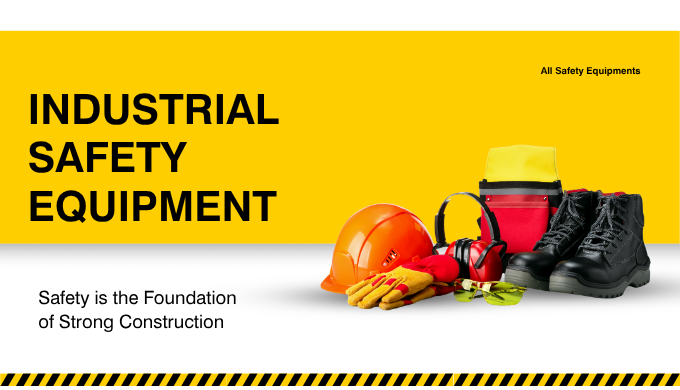
Personal Protective Equipment (PPE) is the most widely used safety equipment in industrial workplaces. It includes items designed to protect different parts of the body.
Common PPE items include:
- Safety Helmets
- Safety Gloves
- Protective Goggles
- Face Shields
- Safety Shoes
- Ear Protection Devices
- High-Visibility Jackets
PPE acts as the first line of defense against workplace hazards.
Fall Protection Equipment
In industries such as construction and warehouse operations, fall protection equipment is essential to prevent injuries from heights.
Examples include:
- Safety Harnesses
- Lifelines
- Safety Nets
- Anchors
These tools help reduce the risk of accidents when working at elevated heights.
Respiratory Protection
Workers exposed to dust, fumes, chemicals, or gases must use respiratory protection equipment.
Examples include:
- Respirators
- Dust Masks
- Gas Masks
These devices help prevent respiratory illnesses and protect workers from inhaling harmful substances.
Fire Safety Equipment
Workplaces with fire risks must maintain proper fire safety systems.
Common fire safety equipment includes:
- Fire Extinguishers
- Fire Blankets
- Smoke Detectors
- Fire Alarms
These tools play a crucial role in controlling fires and saving lives.
Electrical Safety Equipment
In environments with electrical hazards, workers should use specialized protective equipment such as:
- Insulated Gloves
- Electrical Safety Mats
- Voltage Detectors
- Arc Flash Protective Clothing
These safety tools protect workers from electrical shocks and related hazards.
How to Select Suitable Industrial Safety Equipment
Choosing the right safety equipment requires careful evaluation of workplace conditions.
Identify Potential Hazards
Conduct a proper risk assessment to identify possible dangers in the workplace.
Ensure Proper Fit
Safety equipment must fit comfortably so workers are willing to wear it regularly.
Provide Training
Employees should be trained to use safety equipment correctly.
Maintain Equipment Regularly
Regular inspections ensure that safety equipment remains functional and reliable.
Best Practices for Ensuring Industrial Workplace Safety
Organizations should follow these practices to maintain safe industrial environments:
- Conduct regular safety inspections
- Provide frequent safety training programs
- Replace damaged or worn-out equipment
- Encourage reporting of hazards
- Follow standard operating procedures strictly
Creating a strong safety culture helps reduce accident rates and improves worker health and efficiency.
Industrial safety equipment plays a vital role in protecting workers across various industries. From personal protective equipment to fire and electrical safety tools, each type of equipment helps reduce workplace hazards.
Organizations should invest in proper safety equipment and ensure employees are trained to use it correctly. A well-implemented safety system not only protects workers but also enhances productivity and ensures compliance with workplace regulations.